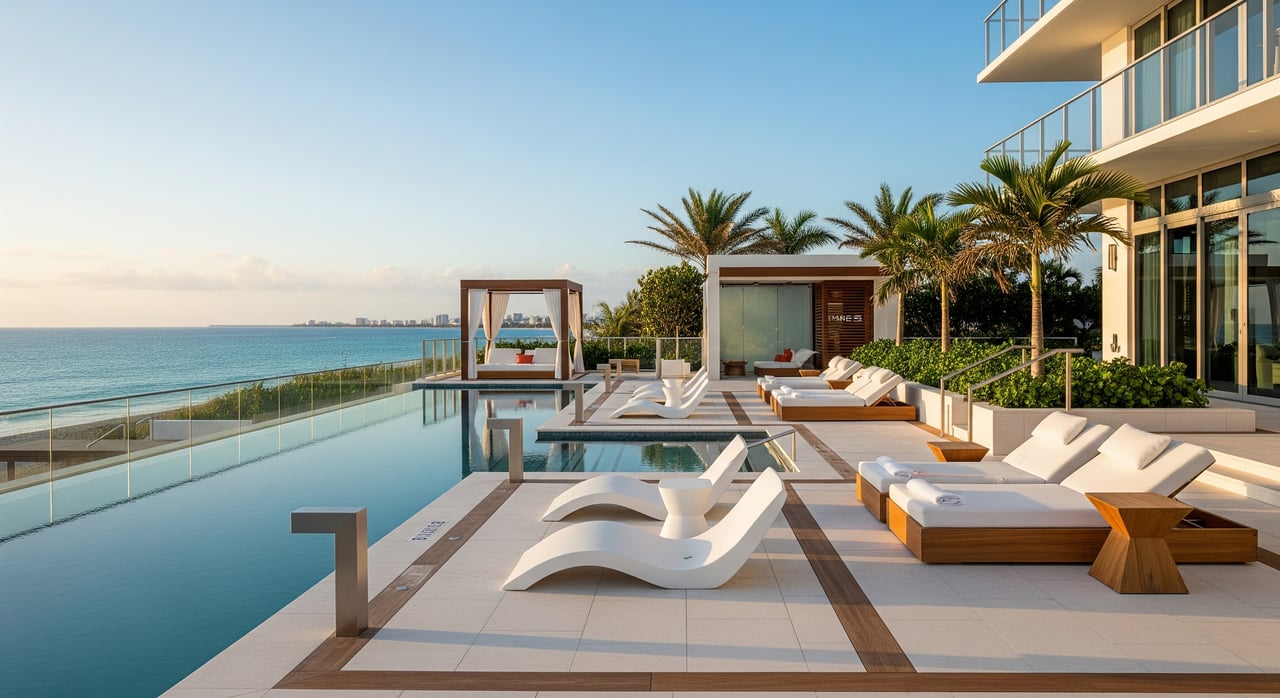
Are you comparing Bal Harbour condos and wondering which amenities truly move the price needle? In a market defined by oceanfront living and high-touch service, not every perk translates to a premium or a faster resale. You want clarity on what buyers value most, what those services cost to run, and how to read the HOA’s numbers so your investment holds up over time.
This guide breaks down the amenities that command top premiums in Bal Harbour, the operating realities behind them, and a straightforward framework to evaluate HOA financial strength and vendor contracts. You will know how to separate lifestyle sizzle from long-term value. Let’s dive in.
Bal Harbour buyer priorities
Bal Harbour sits among Miami-Dade’s most exclusive coastal enclaves. Buyers here often value privacy, unobstructed ocean views, private beach service, concierge-level staffing, and proximity to Bal Harbour Shops. Security, secure parking, and professional building operations matter just as much as design.
Since the 2021 Surfside collapse, buyers also give greater weight to building safety, transparent financials, reserve funding, and inspection history. Florida’s condominium governance and Miami-Dade recertification programs place stricter expectations on disclosures and structural reviews. You should expect to see clear documentation when you request it and use it to gauge risk and sustainability.
Premium amenities that matter
Private beach service
For Bal Harbour, private or dedicated beach service is a top driver of demand. True beachfront living with attendants, umbrella and chair setup, and orderly shoreline management often supports higher price per square foot and faster resale. The experience is daily-use and highly visible, which keeps it top of mind for buyers comparing buildings.
Operationally, beach programs carry moderate to high costs. Staffing, equipment, liability, and coastal maintenance can add up, especially after storms. Review any third-party vendor contracts and renewal terms so you understand both quality and continuity.
Private elevators
Private elevator access or semi-private elevators serving few residences deliver exclusivity and privacy that many Bal Harbour buyers prize. The premium is often meaningful in the ultra-luxury tier because it is easy to market and compare in comps. A private foyer also strengthens first impressions at resale.
Costs for elevators trend lower than labor-heavy amenities but still require steady maintenance, inspections, and eventual modernization. Ask for the maintenance history and upgrade timeline to avoid surprise assessments.
Branded concierge service
A branded residence or concierge-forward service model reinforces daily convenience and prestige. When paired with consistent staffing, event programming, and professional management, the building’s reputation can elevate perceived value and support stronger pricing. The effect is clearest when service quality is verifiable and stable over time.
Because high service relies on people, it often drives higher common charges. Focus on staffing levels, contract terms, and how management measures service quality.
Marina access
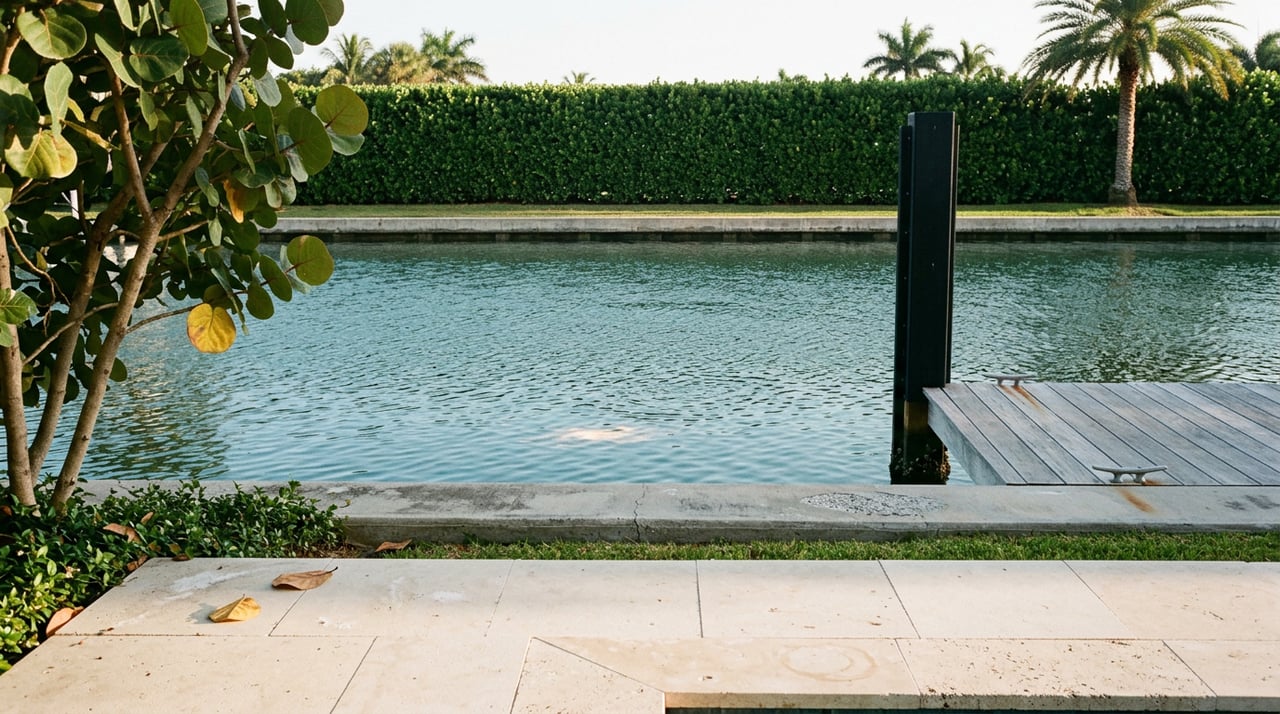
Marina access or on-site boat slips is rare within Bal Harbour and commands a premium among yachting buyers. Secure docks with practical access to the intracoastal or Biscayne Bay can be a deciding factor when boat ownership is part of the lifestyle.
Marinas are capital and regulatory intensive. Dredging, dock repairs, storm protection, and insurance increase the HOA’s obligations. Confirm slip size and depth, ownership or lease structure, transfer rules, and the reserve plan dedicated to maritime assets.
Wellness and spa programs
A full-service spa, treatment rooms, and wellness programming appeal to residents who plan to use amenities daily. When execution is strong, this can reduce time on market because buyers know they will use what they pay for. Outsourcing to an established operator can raise perceived quality but often comes with long-term contracts.
Wellness amenities are labor and equipment heavy, which makes budgeting critical. Look at staffing levels, booking policies, and the replacement schedule for specialized fixtures and machines.
Private dining options
In-house culinary services such as residents’ dining programs, chef-on-call, and private dining rooms differentiate a building for owners who entertain. When managed well, this amenity adds convenience that many buyers cannot replicate elsewhere.
Dining programs are among the costliest to run because of staffing, kitchen upkeep, and compliance. Check whether costs are subsidized by the HOA, recouped through event rentals, or billed per use. Review historical income and expense to see the net impact.
Amenity costs and HOA impact
Bal Harbour’s top value drivers tend to be beachfront access, privacy features like private elevators, and strong service reputations. These also intersect with cost. Amenities with the highest ongoing cost pressure are private dining, spa and wellness, marinas, and beach service. High labor or capital needs can push common charges up if not managed carefully.
The right question is not whether costs are high, but whether they are supported by reserves, smart vendor contracts, and consistent usage. If buyers love the amenity and the HOA is well run, higher fees can be justified. Problems arise when fees climb without service gains or when reserves lag far behind needs.
Read the HOA budget
Core documents to review
- Current operating budget and year-to-date actuals. Compare budgeted to actual spending to spot ongoing variances.
- Latest reserve study. Confirm date, scope, fully funded target, and whether it covers elevators, façade, roofs, spa, docks, and other major systems.
- Reserve funding ratio. Note how close current reserves are to the fully funded target.
- Historical special assessments. Look for frequency, size, and reasons.
- Vendor contracts. Obtain agreements for beach service, spa operator, marina management, elevator maintenance, security, and valet.
- Insurance program. Review property, liability, directors and officers, flood, and hurricane deductibles. Understand how deductibles could affect risk of special assessments after storms.
- Capital improvement plan. Identify upcoming projects and funding sources.
Red flags to avoid
- Outdated or missing reserve study.
- Low reserve funding with no plan to improve it.
- Long contracts with automatic renewals that limit renegotiation.
- Repeated special assessments or fast-rising dues without transparent detail.
- Insurance gaps or very high hurricane deductibles.
- Active litigation that could threaten the association’s capital.
Smart questions to ask
- What is the reserve funding ratio and the date of the last reserve study?
- How many months of operating expenses are in operating cash?
- Which capital projects are planned in the next 3 to 5 years and how will they be funded?
- When do key vendor contracts expire and what are their termination rights?
- How have HOA dues changed over the last 5 years and why?
Valuing the amenity premium
You can estimate amenity premiums three practical ways.
- Comparable sales adjustments. Compare recent sales in the same building or similar buildings with and without the amenity. Derive a per square foot adjustment and validate it across several comps.
- Hedonic approach. Model price as a function of attributes like line, view, private elevator, and beach program. This is useful when you or your advisor track many transactions.
- Income-offset approach. Estimate the net annual cost of a given amenity to the HOA and translate that into a capitalized value. This helps you connect higher common charges to what buyers may discount in price.
Specialized brokers and appraisers who focus on Bal Harbour’s luxury segment can pressure-test these methods and refine adjustments by building.
Due diligence checklist
Before you commit, assemble a focused package and inspect condition on site.
- HOA financials: operating budget, audited or reviewed financial statements, tax returns if applicable, current reserve study, management agreement, recent board minutes.
- Vendor contracts: beach service, spa operator, marina management, elevator maintenance, security, valet.
- Insurance: declarations pages for property, liability, directors and officers, flood, and hurricane deductibles.
- Inspections and reports: structural or engineering reports, Miami-Dade recertification documentation, elevator inspection certifications, pool and spa mechanical reports.
- Litigation: disclosures and counsel letters if pending.
- Occupancy and use: rental policies, percentage of units rented, any short-term rental rules.
- Unit-specific: lease status if tenant-occupied, and any seller disclosures.
- Physical review: condition of beach equipment, spa fixtures, wellness rooms, docks, elevator cabins and machine rooms, and common areas.
Smart trade-offs to consider
- If you value privacy above all, prioritize private elevator buildings with strong concierge staffing and accept higher dues as the price of service. The resale pool for this profile is deep in Bal Harbour.
- If a marina slip is essential, focus on buildings with established dock programs and healthy reserves dedicated to maritime assets. Verify transfer rules and storm policies early.
- If wellness is your daily routine, choose a building with proven spa usage and transparent staffing. Confirm that service quality matches fees.
- If you entertain often, a private dining program can be worth it. Demand clarity on the net cost to the HOA and quality standards for events.
In each case, balance your personal usage with the HOA’s ability to sustain the service. A well-run association protects both lifestyle and long-term value.
Take the next step
Choosing the right Bal Harbour condo is about matching the amenities you will use with an HOA that can fund and manage them for the long run. If you want help comparing buildings, reviewing financials, or sizing amenity premiums with real comps, connect with a local advisor who lives this segment every day.
For confidential guidance and a tailored strategy, reach out to Jelena Khurana. Work with a boutique, high-touch advisor backed by top-tier brokerage resources.
FAQs
How much does a private elevator add in Bal Harbour?
- There is no fixed number, but in the ultra-luxury tier private elevator access often commands a meaningful premium; estimate it with recent comps in the same or closely comparable buildings.
Do high-cost amenities hurt resale in Bal Harbour?
- Not always; buyers often accept higher dues for highly valued amenities like beach service, private elevators, or reputation-quality wellness programs as long as reserves and service quality are strong.
How do I verify beach service stability before buying?
- Review the beach service vendor contract for term and termination, confirm any municipal agreements, and read recent board minutes for plans or risks related to storm damage and replacement.
Which HOA items most often trigger special assessments in Miami-Dade?
- Major capital items such as façade or structural repairs, elevator modernization, roof or dock work, and storm repairs, especially when reserves are underfunded or insurance deductibles are high.
Are branded or outsourced operators worth the premium in Bal Harbour condos?
- They can elevate perceived quality and consistency, but contracts are often long and fee-heavy; review performance metrics, costs, and termination rights to ensure value aligns with your goals.