Sunrise over the Atlantic or sunset across the bay? In Bal Harbour, your choice between oceanfront and bayfront living shapes your day, your budget, and your long-term comfort. You want clarity before you commit, from views and access to insurance and association costs. This guide breaks down what truly changes on each side of the island so you can choose with confidence. Let’s dive in.
Oceanfront vs bayfront in Bal Harbour
Bal Harbour is a compact, one-square-mile village at the northern tip of Miami Beach. It sits between the Atlantic to the east and Biscayne Bay and Haulover Inlet to the west, with Bal Harbour Shops anchoring Collins Avenue. For a quick orientation, see the village overview on the Miami & Miami Beach site describing Bal Harbour’s location and layout.
In practice, “oceanfront” means towers on Collins Avenue with direct beach access and full-service amenities. “Bayfront” inside the village often refers to waterfront homes and low-rise parcels with docks along the western shoreline, plus west-facing stacks in certain towers. The lifestyle shift is real, and it starts with light and water.
Views and daily light
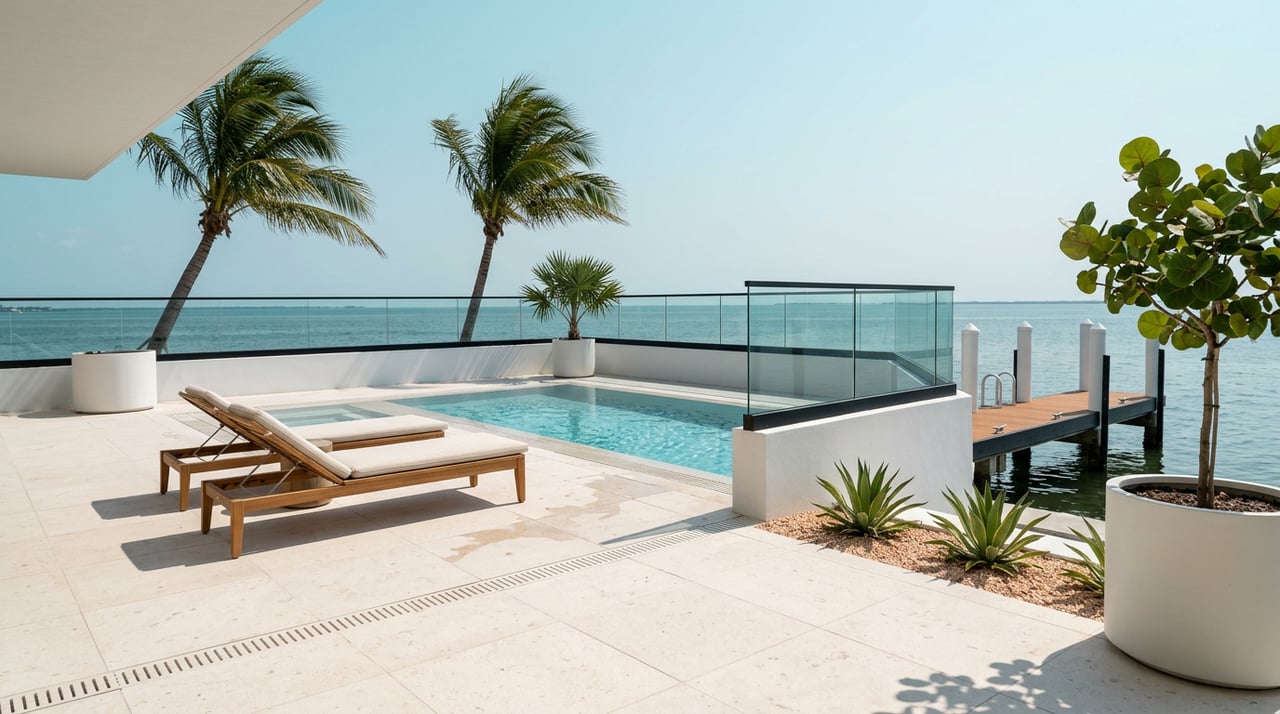
Oceanfront stacks face the Atlantic with wide horizons and sunrise light. Higher floors open up more blue water and sky, and many towers were designed with large terraces to showcase that view. The feeling is open, airy, and always changing with the ocean.
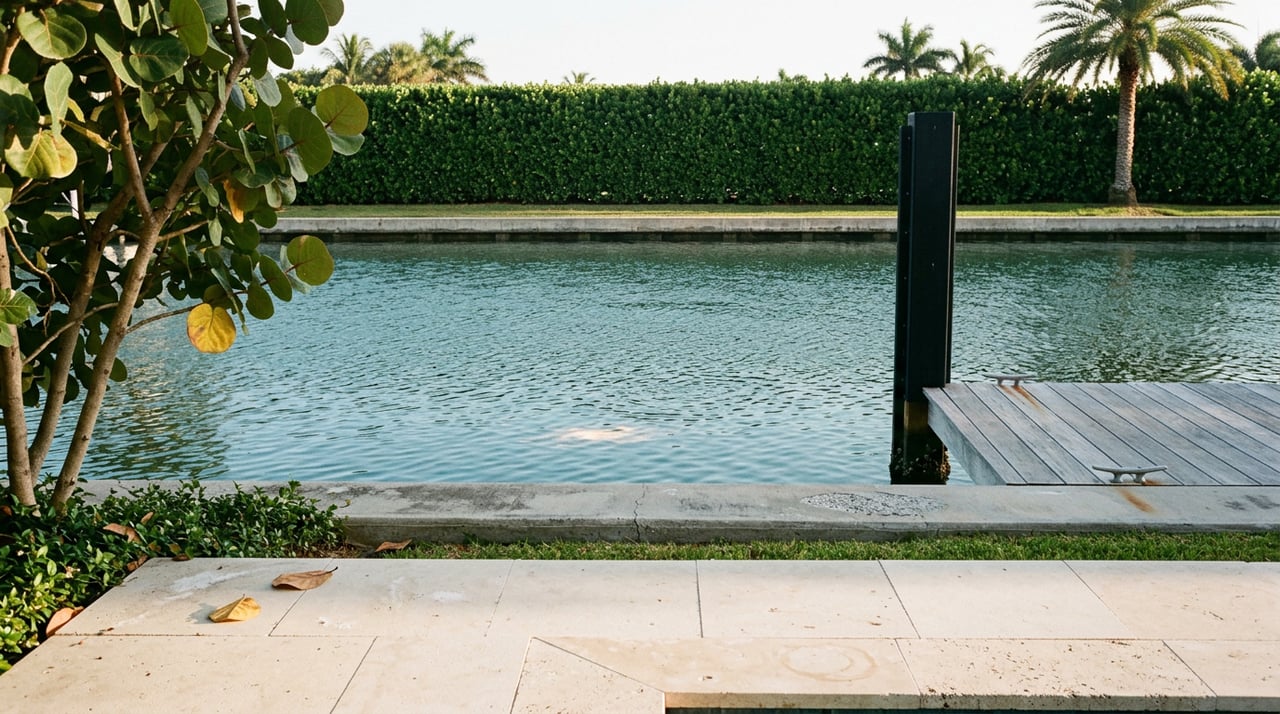
Bayfront exposures face calmer water with boats gliding by and sunsets that paint the sky in the evening. The view feels more private and framed by channels and islands. If you love end-of-day light and watching marina activity, the bay side delivers.
Why orientation matters more than a name
Do not assume a building’s name equals your view. The exact stack and floor can flip the experience. A west-facing stack in an oceanfront tower may live like a bayfront unit, and corner or flow-through layouts may give you both sunrise and sunset. Always verify the floor plan and stack map before you decide.
Beach or boating access
If you live oceanfront, the beach is your backyard. You get direct sand access, oceanfront pools, and easy strolls to the Shops and oceanwalks. That’s the core oceanfront benefit.
If you live bayfront, the water is for boating and paddle sports. For slips and quick ocean access, the closest major facility is Bill Bird Marina at Haulover Park. Review the Bill Bird Marina details for slip types and services, and consider Haulover Marine Center’s facility information for additional context on the boating scene.
Practical tip
- Prioritize the ocean side if you want daily beach walks and hotel-style convenience.
- Prioritize the bay side if you need a dock, plan to keep a boat nearby, or want sunset light.
Noise, privacy, and vibe
Oceanfront towers sit along Collins Avenue near Bal Harbour Shops, so you’ll notice more pedestrian flow, visitors, and valet activity. Expect a lively scene, especially around busy retail and dining hours. Lower floors can pick up more street movement and service traffic.
Bayfront settings often feel quieter at street level, with a slower pace and fewer day visitors. On weekends, you may hear more boat engines or marina activity depending on proximity. Overall, it is a different rhythm that trades beach energy for a more private, water-bound scene.
Amenities and service models
Oceanfront luxury towers in Bal Harbour commonly offer hotel-level services: concierge, staffed beach clubs, oceanfront pools, spa and fitness, and on-site food and beverage. These buildings provide a turnkey lifestyle where convenience is part of the brand. Expect this to be reflected in monthly carrying costs.
Bayfront low-rises and waterfront homes often feature fewer shared services and lower monthly association fees. You gain privacy and flexibility but take on more personal responsibility for maintenance, especially with single-family waterfront. Confirm what’s included and what is fee-based in any building you consider.
Price patterns and carrying costs
In Bal Harbour, oceanfront towers command the highest prices per square foot, with ultra-luxury and branded offerings reaching the top of the market. Premiums rise with direct ocean views, high floors, larger terraces, and top-tier services. More established buildings with strong staffing and amenities also tend to price higher than older or lighter-service options.
Bayfront single-family estates with deep-water frontage usually carry very high absolute prices because you are buying land, dockage, and privacy. Mid-rise or low-rise bayfront condos can offer better monthly costs if the service model is lighter, but layouts and views vary widely.
Two cost notes you should expect:
- Full-service oceanfront towers typically have higher HOA fees to cover staffing, beach service, and heavy amenity programs.
- Insurance and compliance costs have been rising across Florida in recent years, which may impact association budgets and reserves. Review current figures during due diligence.
Insurance, flood, and building compliance
Florida’s insurance environment has been shifting, and programs, deductibles, and premiums can materially impact your bottom line. Ask for the association’s master policy, deductible details, and recent premium history. For context on statewide insurance trends and why deductibles matter, see Citizens Property Insurance’s press materials.
Milestone structural inspections and Structural Integrity Reserve Studies are now part of Florida law for 3+ story buildings. In Miami-Dade, local recertification adds another layer. Confirm the building’s current inspection status, any required remediation, and reserve funding levels. For a clear summary of the post-Surfside framework, review this Florida condo law guide.
Flood risk and elevation also affect insurability and long-term costs. Request an Elevation Certificate if available and look up the FEMA flood zone for the exact address using FEMA’s Flood Map Service Center. Ask for finished-floor elevation and clarify who carries the building’s flood policy versus your HO-6 obligations.
Short-term rentals and resale
Oceanfront views have timeless appeal and tend to attract broad international demand. Bayfront residences draw a more specific buyer who values boating, privacy, and sunsets. Both sides perform well in Bal Harbour’s luxury segment if the property is well-positioned, well-maintained, and priced to the most recent comps.
If you plan to rent, verify two layers of rules: the Village’s requirements for registration and resort tax, and the building’s own rental policy, which is often more restrictive. For a quick overview of local procedures, review this Bal Harbour short-term rental guide, then confirm with the Village and your association.
Quick decision framework
Choose oceanfront if you want:
- Direct beach access and long ocean horizons.
- Hotel-style services and a turnkey lifestyle.
- Broad resale visibility and international appeal.
Choose bayfront if you want:
- Boating, dockage, and quick access to Haulover Inlet.
- Sunset light and a quieter pedestrian environment.
- A more private, water-centric routine.
Buyer checklist for Bal Harbour condos
Use this short checklist to compare any two units, side by side.
- Verify orientation and floor
- Get the stack map and floor plan. Confirm if the unit is east-facing ocean, west-facing bay, corner, or flow-through.
- Confirm beach and dock rights
- For oceanfront, ask whether beach access and service are included in the HOA or a private club. For bayfront, confirm slip ownership vs assignment, permitted length, controlling depth, and seawall condition. If you need off-site dockage, start with Bill Bird Marina at Haulover Park.
- Review insurance and deductible exposure
- Request the association’s master policy declarations, wind or hurricane percentage deductibles, flood responsibilities, and loss-assessment exposure. For statewide context, see Citizens’ press resources.
- Check milestone inspections and reserves
- Ask for the latest milestone or recertification report and the Structural Integrity Reserve Study. Learn the timetable and scope of any recommended work. Read the overview of the legal framework here: Florida condo law changes after Surfside.
- Verify flood zone and elevation
- Pull the FEMA panel for the specific address using FEMA’s Flood Map Service Center and request an Elevation Certificate, if available. Get early quotes for HO-6 and flood coverage.
- Assess capital projects and special assessments
- Ask about façade, roof, terrace, and mechanical work. Clarify what’s complete, what’s pending, and how the association plans to fund it.
- Understand rental rules
- Confirm the Village’s registration and resort-tax requirements and your building’s minimum lease terms and caps. Use this Bal Harbour rental guide as a starting point.
- For bayfront homes, add waterfront diligence
- Review seawall permits, dredging history, and ongoing maintenance obligations. If you rely on a marina, also consider Haulover Marine Center’s facility context.
Resilience and long-term outlook
Miami-Dade continues to invest in resilience planning and adaptation. While every property is unique, it helps to understand county-level initiatives and infrastructure plans. You can browse Miami-Dade’s Office of Resilience overview to stay informed as you evaluate risk and long-term value.
Next steps
Both sides of Bal Harbour offer a world-class waterfront lifestyle. Your best fit comes down to how you spend your day, what you must see from your windows, and how you prioritize convenience versus privacy. With the right due diligence, you can secure the view, access, and financial clarity you want.
If you’re ready to compare specific stacks, assess HOA health, or source off-market options, reach out to Jelena Khurana for a private consult and a focused plan.
FAQs
What is the main lifestyle difference between oceanfront and bayfront condos in Bal Harbour?
- Oceanfront gives you direct beach access and sunrise horizons, while bayfront centers on boating, calmer water, and sunset views; the right choice depends on your daily routine.
Where do Bal Harbour boaters keep their boats if their condo has no slip?
- Many owners use nearby facilities like Bill Bird Marina at Haulover Park for slip rentals and quick access to the ocean through Haulover Inlet.
Do oceanfront condos usually cost more than bayfront in Bal Harbour?
- Yes, oceanfront luxury towers often command higher prices per square foot, especially with high floors, direct ocean views, and full-service amenities; bayfront estates can carry higher total prices due to land and dockage.
How do insurance and deductibles affect my condo costs in Bal Harbour?
- Association master policy deductibles, wind or hurricane percentages, and flood coverage responsibilities all impact your out-of-pocket risk; review them closely and see Citizens’ press resources for statewide context.
How do flood zones and elevation influence buying a Bal Harbour condo?
- Flood zone and finished-floor elevation affect insurability and potential premiums; look up the exact address on FEMA’s Flood Map Service Center and request an Elevation Certificate when possible.
What are the rules for short-term rentals in Bal Harbour condos?
- The Village requires registration and resort tax, and many buildings have stricter rental policies; start with this Bal Harbour rental guide and confirm specific rules with the association and Village Clerk.