If you are selling a waterfront home in Miami Beach, you are not just listing square footage. You are bringing a highly specific asset to market in one of the country’s most visible coastal luxury destinations. That can create major opportunity, but it also means buyers will look closely at water access, views, documentation, and resilience details. In this guide, you’ll learn what matters most before you list, how waterfront value is really judged, and what a polished selling strategy should include. Let’s dive in.
Why Miami Beach waterfront selling is different
Miami Beach is not a typical single-family market. It is a coastal barrier island where flooding can result from heavy rainfall, high tides, and storm surge, and the city provides extensive flood awareness resources and adaptation planning. For sellers, that means flood-related preparation is part of the sales process from day one.
At the same time, demand remains strong because Miami Beach attracts second-home and vacation-home buyers from the U.S. and abroad. According to MIAMI REALTORS’ vacation-home market report, Miami Beach ranked as the No. 2 largest vacation home market in the country, with 13,817 vacation homes representing 22% of local housing stock. The same report notes $3.4 billion in sales volume in 2025, up 6.7% year over year.
That buyer profile shapes how your home should be marketed. MIAMI REALTORS’ international report found Miami remained the top U.S. destination for global buyers, with South Florida foreign buyers accounting for 15% of dollar volume in 2025. It also reported that 51% of international purchases were all-cash, and 65% of foreign buyers purchased after two visits or fewer.
Price the waterfront, not just the house
One of the biggest mistakes sellers make is assuming their home can be priced like any other property nearby. In Miami Beach, waterfront value depends on much more than interior finishes or price per square foot. Buyers often weigh the water itself as heavily as the home.
The factors that usually matter most include:
- Frontage type
- Open-water access
- View corridor
- Dockability
- Privacy
- Seawall condition
- Documented and permitted marine improvements
That distinction is backed by research. A waterfront valuation study confirms that waterfront premiums vary by water type, with stronger premiums for oceans and bays than for rivers. In practical terms, not all waterfront is valued equally, and your pricing strategy should reflect your property’s exact water advantages.
Miami-Dade luxury market thresholds also show how much value is concentrated at the top. MIAMI REALTORS reported that in 2024, the county’s single-family luxury threshold rose to $3.3 million and the ultra-luxury threshold reached $10 million. In March 2026, single-family homes sold at a median 95% of original list price, with 5.7 months of supply.
This is why pricing needs nuance. A home with a clean view corridor, legal dock setup, and strong boating access may justify a sharper premium narrative than a renovated home with weaker waterfront utility. The market can reward the right story, but only when the value case is clear and well supported.
Prepare documents before going live
In Miami Beach, pre-listing preparation is not just about cleaning and staging. Buyers of waterfront homes often ask detailed questions early, especially about flood exposure, insurance considerations, seawalls, and permit history. If you can answer those questions quickly and clearly, your home feels more credible from the start.
Florida now requires a flood disclosure for residential sales. Under Florida Statutes section 689.302, the seller must provide the statutory flood disclosure at or before contract execution. The form also addresses prior flood claims and federal flood assistance, while reminding buyers that homeowners insurance does not cover flood damage.
For Miami Beach homes, it is smart to gather flood and elevation information before launch. The city provides local flood hazard information and digital flood tools that reflect current flood risk and map changes. An organized file with flood-zone information and any available elevation documentation can help buyers evaluate the property with more confidence.
Marine improvements matter just as much. According to the city’s interactive permit guide, seawalls are treated as special construction and require approval from the Department of Environmental Resources Management in addition to a building permit. The same guide distinguishes between floating and stationary docks, which is useful because buyers often want exact clarity on what exists, what is permitted, and what has been maintained.
Before listing, try to assemble:
- Flood disclosure information
- Flood claim or assistance history, if applicable
- Elevation certificate, if available
- Permit history for seawalls, docks, and related work
- Maintenance records for marine structures
- Documentation for major updates or resilience improvements
Stage for the view and the photos
Luxury buyers usually see your home online before they ever step inside. In a market with out-of-state and international demand, your first showing often happens through photography, video, and digital presentation. That means staging should be complete before any media is created.
The National Association of Realtors’ 2025 staging profile found that 83% of buyers’ agents said staging made it easier for buyers to visualize a home as their future residence. The same report found that 73% said photos were important to clients, followed by traditional staging, videos, and virtual tours.
For a Miami Beach waterfront home, the most important spaces are usually the ones that frame the water and support the lifestyle story. That often includes:
- Living room
- Primary suite
- Kitchen
- Outdoor entertaining areas
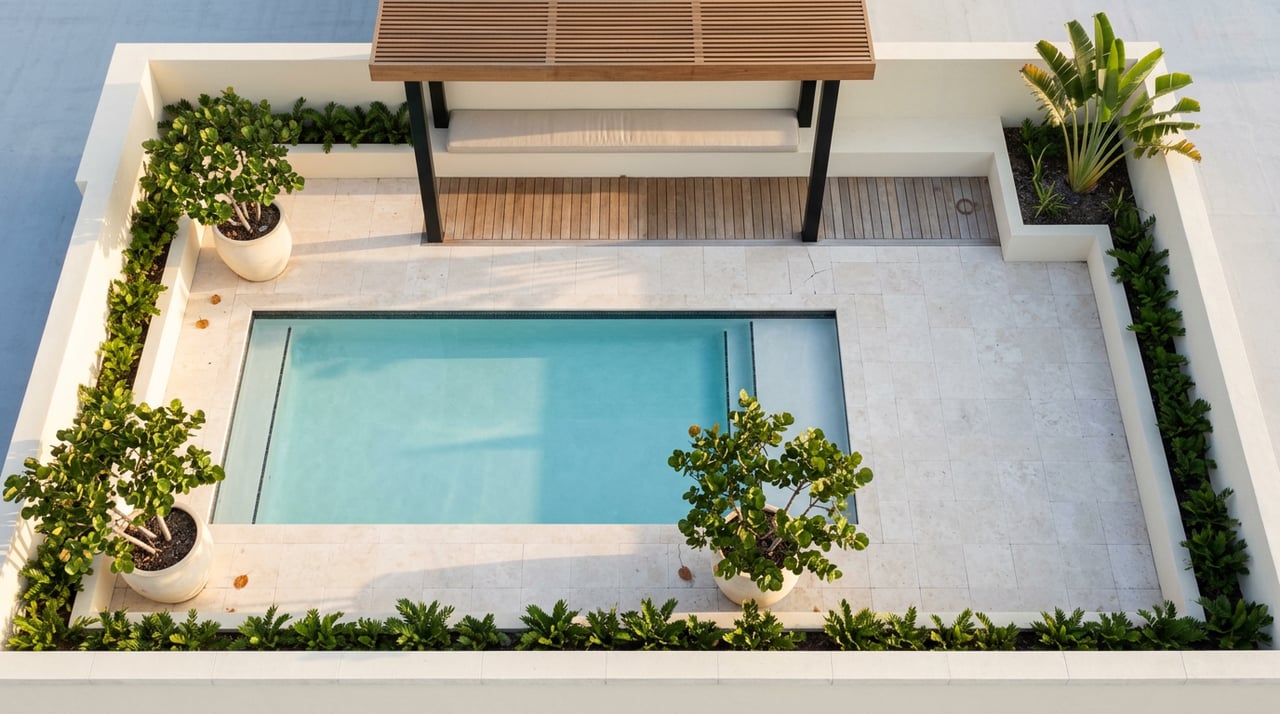
- Pool deck or dockside setting
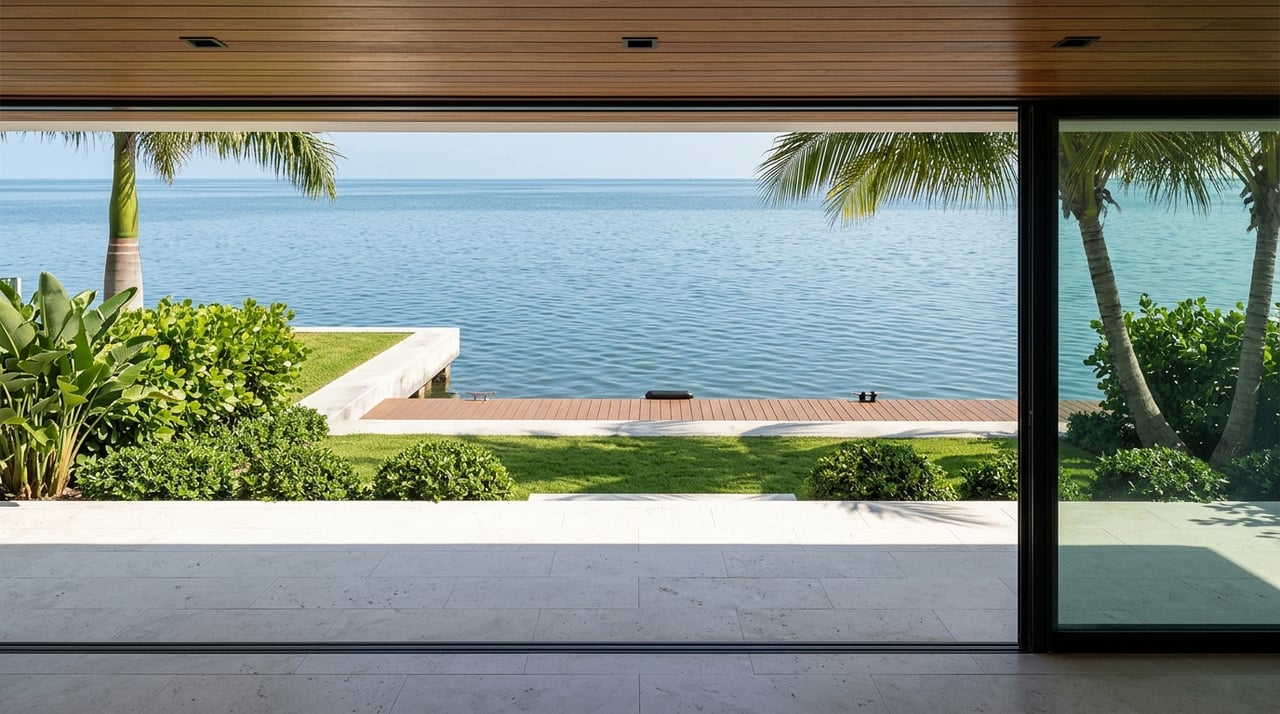
The goal is simple. Every image should help a buyer understand how the home lives, how the water connects to the interiors, and why the property feels move-in ready.
Build a white-glove marketing campaign
A waterfront home in Miami Beach should be marketed as a complete lifestyle offering. Buyers are not only purchasing architecture or finishes. They are also evaluating boating access, indoor-outdoor flow, privacy, entertaining potential, and the emotional impact of the water.
That narrative should be paired with the property’s infrastructure story. A strong listing campaign should communicate the big lifestyle moments while also giving buyers confidence around practical details such as dock permissions, seawall status, flood disclosure, and any recent resilience work.
Because Miami Beach is such a strong vacation-home market, the campaign should also be polished and globally legible. Based on Miami’s international buyer trends, effective outreach often includes a mix of:
- MLS exposure
- Brokerage network distribution
- Multilingual marketing assets
- Private previews
- Direct outreach to qualified local and international agents
This matters because many likely buyers are not relying on repeated in-person visits. When purchasers can move quickly, your presentation has to be immediate, refined, and complete.
Expect strategy, not guesswork
Even in a healthy market, selling a luxury waterfront home can take patience. MIAMI REALTORS’ March 2026 market update reported that Miami-Dade single-family homes took a median 50 days to contract and 86 days to sell. That is a useful reminder that strong results usually come from correct pricing, standout first-week presentation, and early buyer targeting.
For sellers, this means the first impression matters more than ever. If your home launches with the right documents, the right visuals, and the right pricing story, you are in a much stronger position to attract serious interest early. If it launches with gaps or mixed messaging, valuable momentum can be lost.
Selling a waterfront home in Miami Beach requires more than standard listing service. You need a tailored plan that respects the nuances of the water, the expectations of luxury buyers, and the speed of a global marketplace. If you are preparing to sell and want a strategy built around pricing precision, high-touch presentation, and discreet international reach, connect with Jelena Khurana.
FAQs
What adds the most value when selling a waterfront home in Miami Beach?
- The biggest value drivers often include frontage type, open-water access, view corridor, dockability, privacy, seawall condition, and whether marine improvements are properly documented and permitted.
What flood documents do you need when selling a Miami Beach waterfront home?
- Florida requires a statutory flood disclosure for residential sales, and it is also helpful to gather flood-zone information, any available elevation certificate, and records of prior flood claims or federal flood assistance if applicable.
What marine records should you gather before listing a Miami Beach waterfront property?
- Try to collect permit history, approvals, and maintenance records for seawalls, docks, and other marine structures so buyers can better understand legality, condition, and transferability.
How important is staging for a Miami Beach waterfront listing?
- Staging is highly important because many buyers will first experience the home through photos, video, and virtual tours, and staged spaces help them visualize the property as a future residence.
How long can it take to sell a luxury home in Miami-Dade?
- In March 2026, Miami-Dade single-family homes took a median 50 days to go under contract and 86 days to sell, which shows why first-week pricing and presentation are so important.