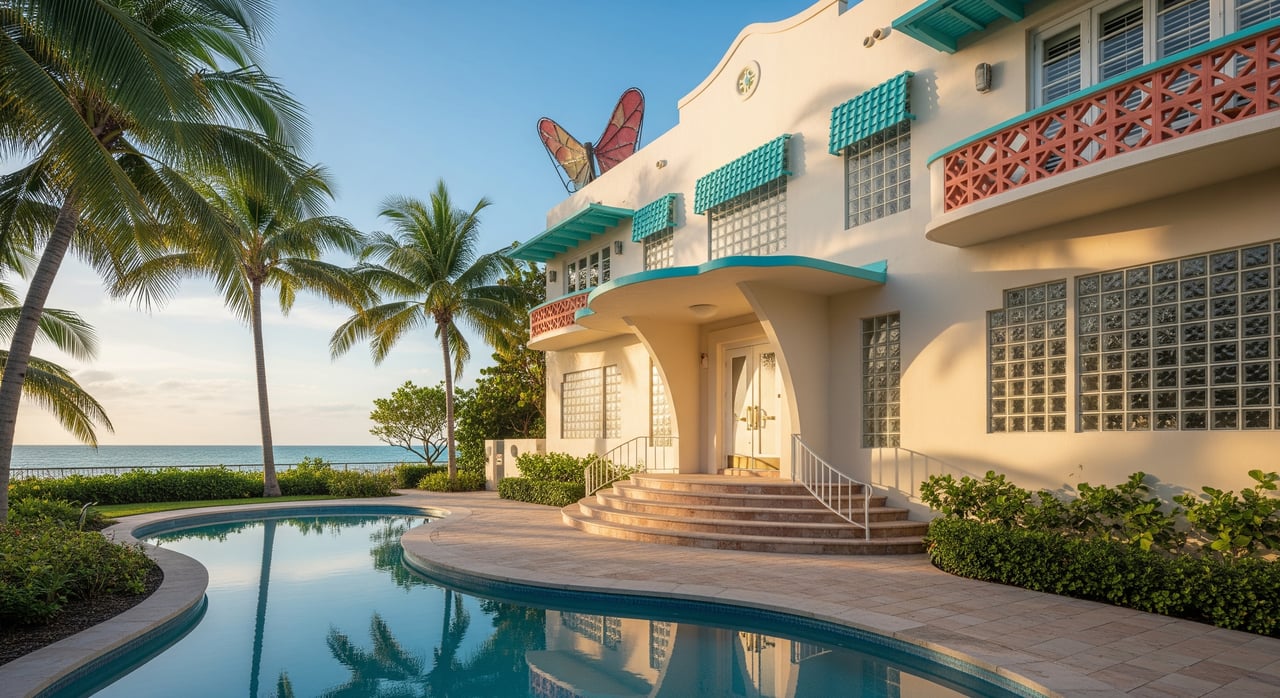
Is your eye drawn to the curving lobbies, breeze blocks, and neon of Collins Avenue? If you are weighing a character-rich mid-century building against a sleek glass tower, you are not alone. MiMo architecture offers drama, history, and a distinctive Miami Beach vibe, but it also comes with unique ownership and renovation considerations. In this primer, you will learn how to identify MiMo in Mid‑Beach, what trade-offs to expect, and how to buy with confidence. Let’s dive in.
What MiMo means in Mid‑Beach
MiMo, short for Miami Modern, describes regional modernist architecture built in South Florida from the late 1940s through the 1960s. It rose during the postwar boom and mixed modernist ideas with jet‑age flair tailored to the tropics. In Mid‑Beach, you see it most clearly in mid‑century hotels and apartments along Collins Avenue and nearby blocks.
High‑profile commissions in the 1950s helped define the style’s theatrical feel. The Fontainebleau and Eden Roc hotels, associated with architect Morris Lapidus, shaped the public image of Miami’s glamorous arrival scenes, lobbies, and pool decks. Mid‑Beach sits between South Beach and North Beach, which makes it a hub where many MiMo examples line the waterfront corridor.
Signature features buyers love
Form and arrival drama
MiMo buildings favor playful, sculptural massing. Look for sweeping curves, cantilevered roofs, floating canopies, and bold porte‑cochères that stage a showy arrival. Repeated rhythms of columns, fins, and screens create movement and pattern.
Materials and details
Concrete and stucco exteriors keep forms crisp and durable. You will often find decorative breeze block, terrazzo and tile floors in lobbies, mosaic murals, and ornamental metalwork. Windows tend to be in narrow bands or punched openings, often with cantilevered sunshades and eyebrows rather than full‑height curtain walls. Jet‑age motifs such as starbursts and boomerang shapes, plus expressive neon signage, round out the look.
Climate‑smart design
Many MiMo buildings were planned before widespread air conditioning. They emphasize shade, cross‑ventilation, covered outdoor walkways, and pool‑oriented layouts that suit Miami’s sub‑tropical climate. These features add comfort and character, even if you plan mechanical upgrades.
Where to find MiMo in Mid‑Beach
Iconic touchpoints
To understand the scale and theater, start with the Fontainebleau and Eden Roc along Collins Avenue. Their lobbies, porte‑cochères, and poolscapes show MiMo’s signature blend of glamour and movement.
Smaller gems nearby
Beyond the icons, many modest mid‑century motels and apartment buildings in Mid‑Beach display MiMo details. Breeze‑block screens, cantilevered canopies, and decorative signage are common on side streets just off Collins.
Verify historic status
Before you fall in love with a façade, check whether the property is locally designated or part of a historic district. The City of Miami Beach oversees local landmarking and design review. Use the city’s resources on Historic Preservation and cross‑check county programs through Miami‑Dade County Historic Preservation. For context and walking resources, the Miami Design Preservation League offers background on Miami Modern architecture and mid‑century properties.
MiMo vs new glass towers
What MiMo gives you
- Distinctive architectural character and ornamental details you will not see in most new glass boxes.
- Dramatic, people‑scaled public spaces such as lobbies, sculptural stairs, and pool areas.
- A sense of history tied to Miami Beach’s leisure culture and postwar glamour.
Trade‑offs to plan for
- Building systems. New towers usually have modern mechanical, electrical, and plumbing systems and impact‑rated glazing. Many MiMo buildings need upgrades to match current standards.
- Energy performance. Modern curtain‑wall towers can reach high efficiency targets. MiMo often relies on shading and ventilation and may require retrofits to meet today’s performance goals.
- Amenities and operations. New towers typically provide a contemporary amenity stack and controlled access. MiMo condos, hotel conversions, or historic apartments vary widely in services and HOA rules.
Renovation and resilience must‑knows
Design review and approvals
If a building is designated or within a historic district, exterior changes and some interior work often require design review and a Certificate of Appropriateness through the City of Miami Beach. Start by reviewing the city’s guidance on Historic Preservation, and confirm any county‑level implications through Miami‑Dade County Historic Preservation. Early verification helps you set realistic timelines.
Wind, flood, and elevation
Mid‑Beach is coastal, so plan for wind and water. Confirm whether windows and doors are impact‑rated, and review past wind‑mitigation permits. Check the property’s flood zone using the FEMA Flood Map Service Center, and request Elevation Certificates when available. To understand local adaptation work, review City efforts on Resilience and Sea‑Level Rise. For a regional outlook on rising water, explore the NOAA Sea Level Rise Viewer. These tools inform insurance quotes and scope for potential retrofits.
Structure and systems
Older coastal concrete buildings can hide deferred maintenance. Ask for structural reports, reserve studies, and records of concrete repairs and waterproofing. Pay close attention to slabs, balconies, and pool decks. Inspect glazing for impact‑rating documentation and confirm the age and capacity of mechanical, electrical, and plumbing systems.
Lead and asbestos safety
Buildings from the era may contain lead‑based paint or asbestos in certain materials. If you plan renovation, follow the EPA’s guidance on lead‑safe work practices under the Renovation, Repair, and Painting Rule, and use certified professionals.
Tax incentives
Federal incentives generally apply only to income‑producing properties that meet strict criteria. Review eligibility through the National Park Service overview of Federal Historic Tax Incentives. Most owner‑occupied residences do not qualify, but it is wise to confirm current rules before planning a rehabilitation.
HOA and budget planning
Many Mid‑Beach MiMo properties operate as condominiums or converted hotels. Ask for complete HOA documents, including bylaws, CC&Rs, insurance declarations, current reserve studies, and recent meeting minutes. Focus on capital projects like roofs, façades, windows, and pool decks that may drive future assessments.
If you plan to restore original elements such as terrazzo, breeze block, custom metalwork, or neon signage, budget for specialty trades. These artisans are in demand and can require longer lead times. Expect higher soft costs for architects with preservation expertise, historic review fees, and specialty consultants, in addition to construction costs.
Buyer due‑diligence checklist
Property and building records
- Historic designation status, including any preservation restrictions or easements.
- Permits and as‑built drawings for major work, like façades, windows, roofs, or structural repairs.
- HOA documents: bylaws, CC&Rs, reserve study, insurance declarations, and 12 to 24 months of meeting minutes.
Inspections and assessments
- Full structural and engineering review for concrete condition, balcony attachments, corrosion, and waterproofing.
- Window and door inspection with impact‑rating documentation.
- Mechanical, electrical, and plumbing evaluation for age, capacity, and upgrade paths.
- Asbestos and lead testing if you plan any demolition or renovation, plus mold and moisture checks around pools and terraces.
- Pest and termite reports where wood trim or subfloors are present.
Regulatory and cost questions
- Flood zone designation, Elevation Certificate, current flood insurance premium, and claims history. Verify maps through the FEMA Flood Map Service Center.
- Any pending special assessments or capital improvement plans.
- Required approvals for exterior or major interior work, including historic review and building permits through the City of Miami Beach.
Design and materials strategy
- Inventory original features to prioritize what to preserve, restore, or replace.
- Confirm material availability and the path to source matching breeze block, terrazzo, mosaic, or metalwork.
Work with a Mid‑Beach advisor
If you love the look of MiMo, the right plan makes all the difference. You will want clear data on historic status, engineering, wind and flood exposure, and HOA reserves before you bid. A local advisor can help you compare a MiMo building to a new glass tower on an apples‑to‑apples basis and assemble the right team for inspections and restoration.
When you are ready to take the next step, connect with Jelena Khurana for tailored buyer representation, valuation insight, and access to trusted local professionals who understand Miami Beach’s mid‑century fabric.
FAQs
What is MiMo architecture in Mid‑Beach?
- MiMo is a South Florida modernist style from the late 1940s to the 1960s that blends modern design with jet‑age glamour, widely seen in Mid‑Beach hotels and apartments.
How do I verify if a MiMo building is historic?
- Check the City’s resources on Historic Preservation and then confirm county listings through Miami‑Dade County Historic Preservation.
What structural issues should I expect in older coastal buildings?
- Common concerns include concrete spalling, corrosion of reinforcing steel, balcony and slab connections, glazing upgrades, and waterproofing around terraces and pools.
Do owner‑occupied MiMo condos qualify for historic tax credits?
- Federal tax credits generally apply to certified rehabilitations of income‑producing properties; review the NPS guide to Federal Historic Tax Incentives.
How do flood zones affect buying a MiMo condo in Mid‑Beach?
- Your flood zone influences insurance and retrofit needs; check maps at the FEMA Flood Map Service Center and request Elevation Certificates before you commit.