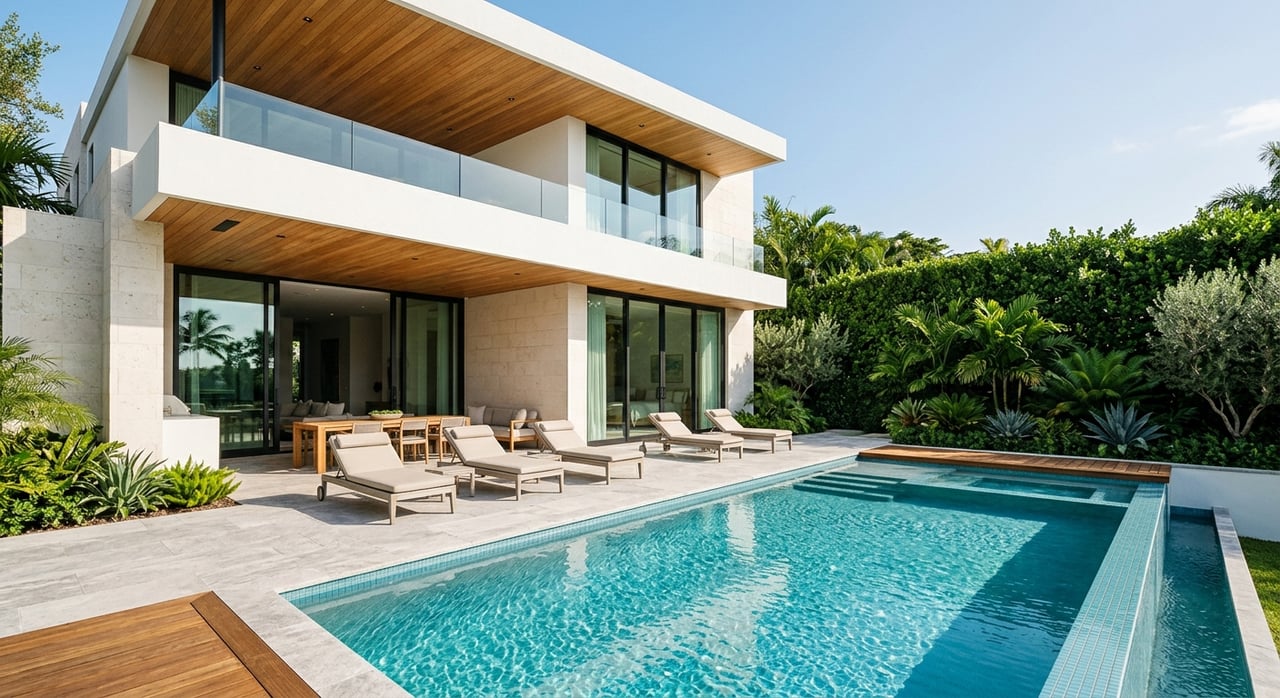
Choosing between Coral Gables and Pinecrest is not really about picking a “better” address. It is about choosing the luxury lifestyle that fits your everyday rhythm. If you are weighing walkability, architectural character, privacy, lot size, and commute patterns, the right answer depends on how you want to live, entertain, and move through Miami. Let’s break it down.
Start With the Lifestyle Difference
At a high level, Coral Gables and Pinecrest serve different versions of luxury living.
Coral Gables is larger and denser, with about 50,379 residents across 12.93 square miles. Pinecrest is smaller and lower density, with about 18,981 residents across 7.45 square miles. Current census data also shows Coral Gables with a median household income of $134,216 and Pinecrest at $206,417, while average household size is larger in Pinecrest at 3.03 compared with 2.28 in Coral Gables.
In practical terms, Coral Gables tends to feel more urban and connected, while Pinecrest tends to feel more private and estate-oriented. If you want a home base with easier access to public amenities and transit, Coral Gables has a strong case. If you want more land, more separation, and a quieter residential rhythm, Pinecrest often stands out.
Coral Gables: Curated and Connected
Coral Gables is shaped by a clear civic identity. The city describes itself through the “City Beautiful” and “Garden City” vision, with lush streets, civic landmarks, and a carefully managed visual environment.
That matters if you care about architecture and long-term streetscape consistency. The city reports that more than 1,000 properties are on the Coral Gables Register of Historic Places, and its zoning and design framework actively preserves the area’s established look through tools like the Board of Architects and the Mediterranean design standards.
What That Means for Luxury Buyers
When you buy in Coral Gables, you are often buying into a more regulated visual setting. Renovations and new construction are shaped by a stronger expectation that they fit the surrounding character.
For some buyers, that is a major advantage. It can create a sense of continuity, historical identity, and aesthetic cohesion that is hard to replicate in less regulated luxury markets.
Outdoor Living in Coral Gables
Coral Gables also offers a broad mix of public amenities. The city says it has more than 60 parks and open spaces, along with well-known destinations like the Venetian Pool, the Biltmore Hotel, Fairchild Tropical Botanic Garden, Miracle Mile, and Giralda Plaza.
The city also reports more than 41% tree coverage. If your ideal luxury lifestyle includes elegant streets, established greenery, dining destinations, and public spaces woven into daily life, Coral Gables offers a compelling setting.
Pinecrest: Private and Estate-Oriented
Pinecrest offers a different version of luxury. The village emphasizes tree-lined streets, large estate lots, and a strong residential feel.
Rather than focusing on one defining architectural style, Pinecrest’s planning and permitting process pays close attention to site-related details like setbacks, lot coverage, floor area ratio, pervious versus impervious area, building height, landscape plans, and tree removal or mitigation. That framework tends to support privacy, lot scale, and custom estate living.
What That Means for Luxury Buyers
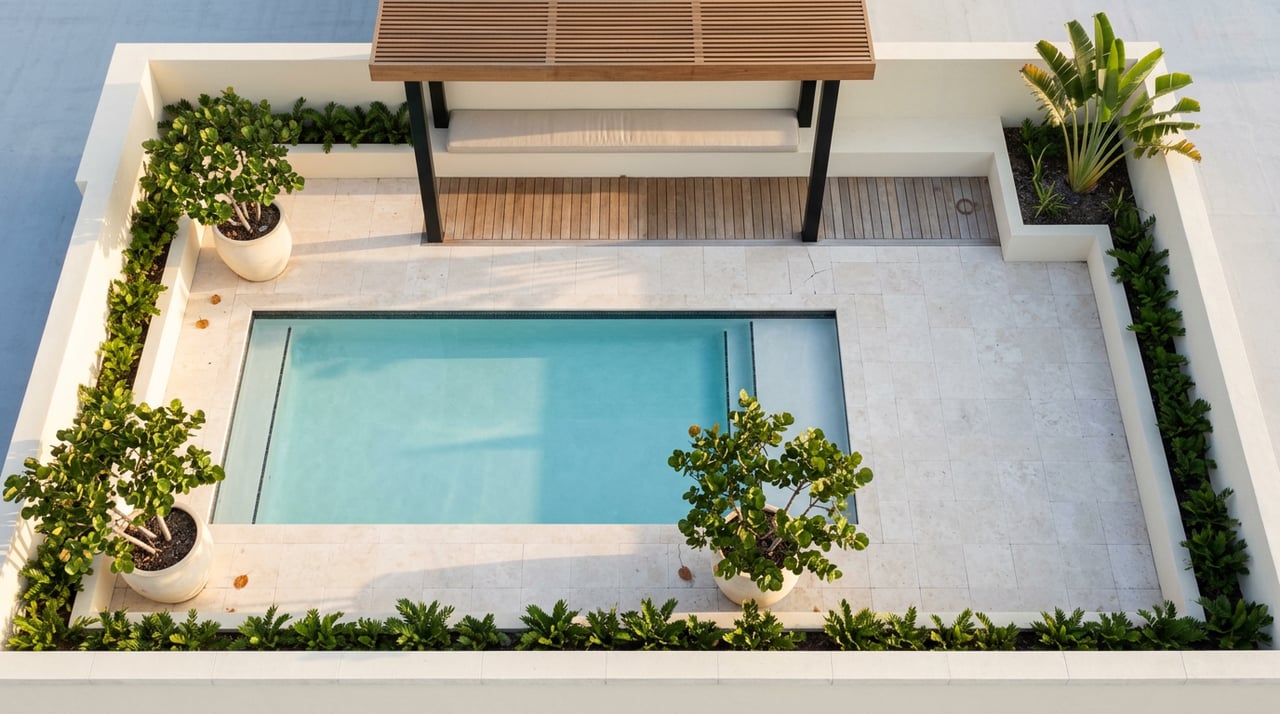
If you want more freedom to prioritize land, backyard scale, and private outdoor amenities, Pinecrest may feel more natural. Many buyers looking for room for a pool, guest space, entertaining areas, or expanded outdoor use are drawn to this kind of setting.
Pinecrest also invests heavily in tree preservation. The village notes an ongoing canopy program and more than 10,000 street trees planted since 1997, which reinforces the lush and established feel many buyers want in a residential luxury market.
Outdoor Living in Pinecrest
Pinecrest’s outdoor appeal often centers more on private property and neighborhood parks than on a more urban public realm. The village lists nine parks and facilities, including Coral Pine Park, Pinecrest Community Center, Red Road Linear Park, Suniland Park, and Pinecrest Gardens.
Pinecrest Gardens is a 14-acre botanical garden that welcomes more than 140,000 visitors annually. Red Road Linear Park adds a 2.5-mile lighted walking and bicycle path, which supports an active, local, park-oriented routine.
Commute and Mobility: Which Feels Easier?
Luxury living is not only about the home itself. It is also about how smoothly your days unfold.
Coral Gables has the stronger transit story. The city’s free trolley connects Douglas Road Metrorail Station with routes along Ponce de Leon and Grand Avenue, and a Southern Loop trolley pilot launched in 2025 to extend service toward Red Road and the University of Miami area. Metrorail also connects the area to Downtown Miami and Miami International Airport, while the Underline adds a multimodal trail along the corridor.
Coral Gables for Daily Convenience
If your routine includes Brickell, Downtown, the University of Miami, or transit-friendly errands, Coral Gables is generally the more connected option. You may still drive often, but the city offers more ways to move around.
That can make a meaningful difference if you value flexibility in your schedule or want some social and practical trips to feel less car-dependent.
Pinecrest for Road-Based Living
Pinecrest is more road-oriented, though not without mobility support. The village’s Transportation Master Plan focuses on traffic calming, sidewalk improvements, traffic operations, and a free on-demand electric car service.
Pinecrest also offers Freebee for local rides around the village and connections to the South Dade Transitway and a Metrorail station. The Pinecrest People Mover adds published routes with school and park stops, which can support everyday logistics.
If you are comfortable with a more driving-based lifestyle and want the trade-off of larger lots and a quieter setting, Pinecrest can still function very well.
Architecture and Lot Character
For many luxury buyers, this is where the decision gets clearer.
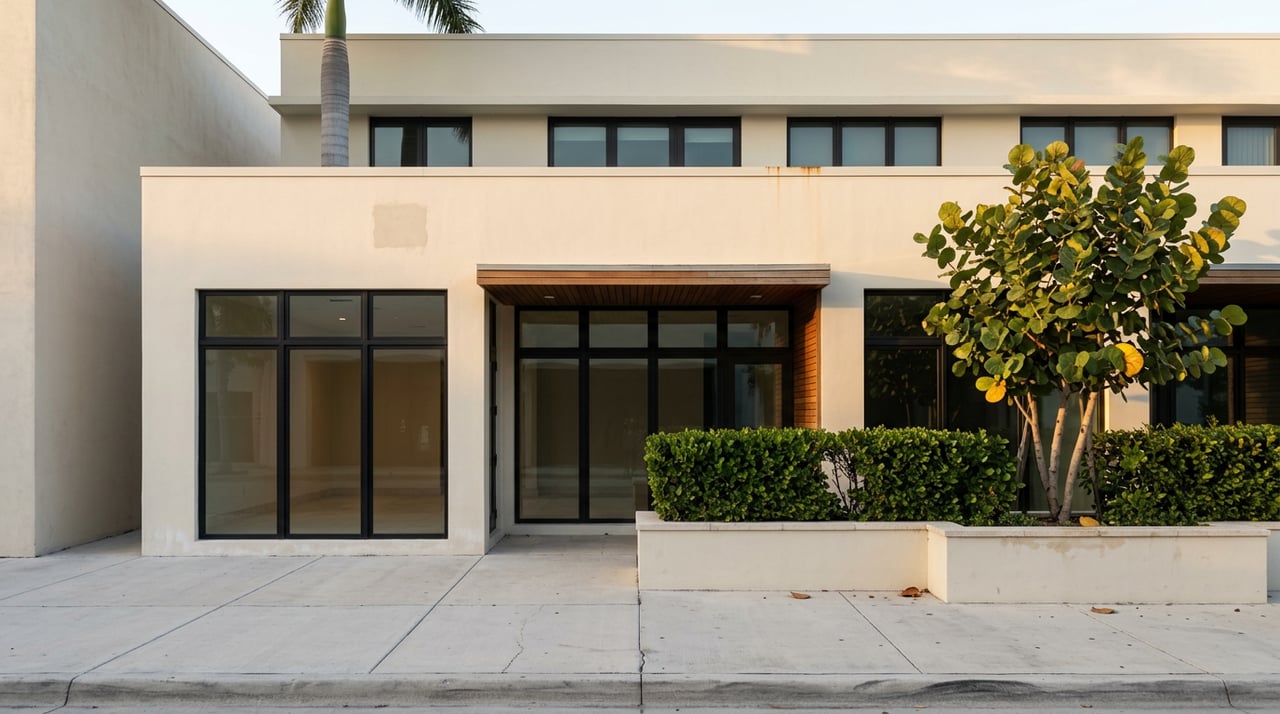
Coral Gables typically appeals to buyers who value historical context, established design language, and a more curated neighborhood feel. The city’s low-density single-family districts are intended to provide yards and open space, but the overall environment is still shaped by a strong architectural identity.
Pinecrest often appeals to buyers who care more about scale and privacy than about fitting into one prevailing style. The village’s estate-density pattern and lot-driven review process can make it a better fit if you are prioritizing custom estate living and larger private outdoor zones.
Schools and Daily Routines
For buyers planning around school routines, both areas offer access to a range of public schools identified by their local governments.
Coral Gables’ city school page states that residents have access to some of Miami-Dade County’s high-performing public schools. The city notes that the district has been A-rated for four consecutive years and reports a 92% graduation rate, while listing schools such as Coral Gables High, International Studies Preparatory Academy, George W. Carver Middle, Palmetto Middle, Ponce de Leon Middle, David Fairchild Elementary, Coral Gables Preparatory Academy, and others.
Pinecrest’s village school brochure highlights schools including Pinecrest Elementary, Palmetto Elementary, Howard Drive Elementary, Palmetto Middle, and Miami Palmetto Senior High. The brochure also references programs such as gifted instruction, Cambridge, Extended Foreign Language, robotics, and STEAM-related recognition.
The Real Lifestyle Question
The more useful question is not which location has “better” schools. It is what kind of daily routine you want around them.
Coral Gables may suit buyers who want school access woven into a more urban, amenity-rich pattern. Pinecrest may suit buyers who want a more residential, estate-style environment where school logistics are part of a quieter village routine.
A Simple Way to Decide
If you are torn between the two, ask yourself these questions:
- Do you want a historically curated setting or a more customizable estate-lot environment?
- How important is access to dining, culture, and transit in your daily life?
- How much private outdoor space do you want for entertaining, recreation, or future plans?
- Will commute patterns shape your quality of life during the week?
- Are you buying for full-time living, a second home, or long-term resale positioning?
- Do you feel more at home in a connected urban setting or a quieter residential one?
Coral Gables vs. Pinecrest at a Glance
| Category | Coral Gables | Pinecrest |
|---|---|---|
| Overall feel | More urban and connected | More private and estate-oriented |
| Density | Higher density | Lower density |
| Architecture | More historically curated | More lot-scale and custom focused |
| Outdoor lifestyle | Parks, civic spaces, destinations | Private yards, parks, botanical setting |
| Transit and mobility | Stronger trolley, rail, and trail access | More driving-based with local ride support |
| Household pattern | Smaller average household size | Larger average household size |
Which Luxury Home Base Fits You Best?
If you are drawn to heritage, architectural consistency, public amenities, and stronger mobility, Coral Gables may be the right fit. If you value land, privacy, tree canopy, and a more estate-driven lifestyle, Pinecrest may align better with your goals.
In the end, this decision is personal. The smartest move is to match the neighborhood to how you actually want your days to feel, not just how a property looks on paper.
If you are comparing Coral Gables and Pinecrest and want tailored guidance based on your lifestyle, priorities, and timing, Jelena Khurana can help you evaluate the right luxury home base with clarity and discretion.
FAQs
Is Coral Gables or Pinecrest better for walkability and transit?
- Coral Gables generally offers stronger transit and connectivity, with free trolley service, Metrorail access, and the Underline nearby.
Is Pinecrest or Coral Gables better for larger lots?
- Pinecrest is generally associated with larger estate lots, lower density, and a more private residential setting.
Does Coral Gables have stricter architectural rules than Pinecrest?
- Yes. Coral Gables uses a more defined architectural and design review framework, including Mediterranean design standards and the Board of Architects.
Which area feels more private for luxury living, Coral Gables or Pinecrest?
- Pinecrest typically feels more private because of its lower density, estate-style layout, and emphasis on lot size and residential character.
Are Coral Gables and Pinecrest both suitable for family routines?
- Yes. Both areas include access to public schools and parks, but Coral Gables tends to offer a more urban routine while Pinecrest leans more toward a quieter village pattern.
What is the biggest difference between Coral Gables and Pinecrest for luxury buyers?
- The biggest difference is lifestyle fit: Coral Gables leans toward a curated, connected, amenity-rich environment, while Pinecrest leans toward privacy, land, and estate-style living.