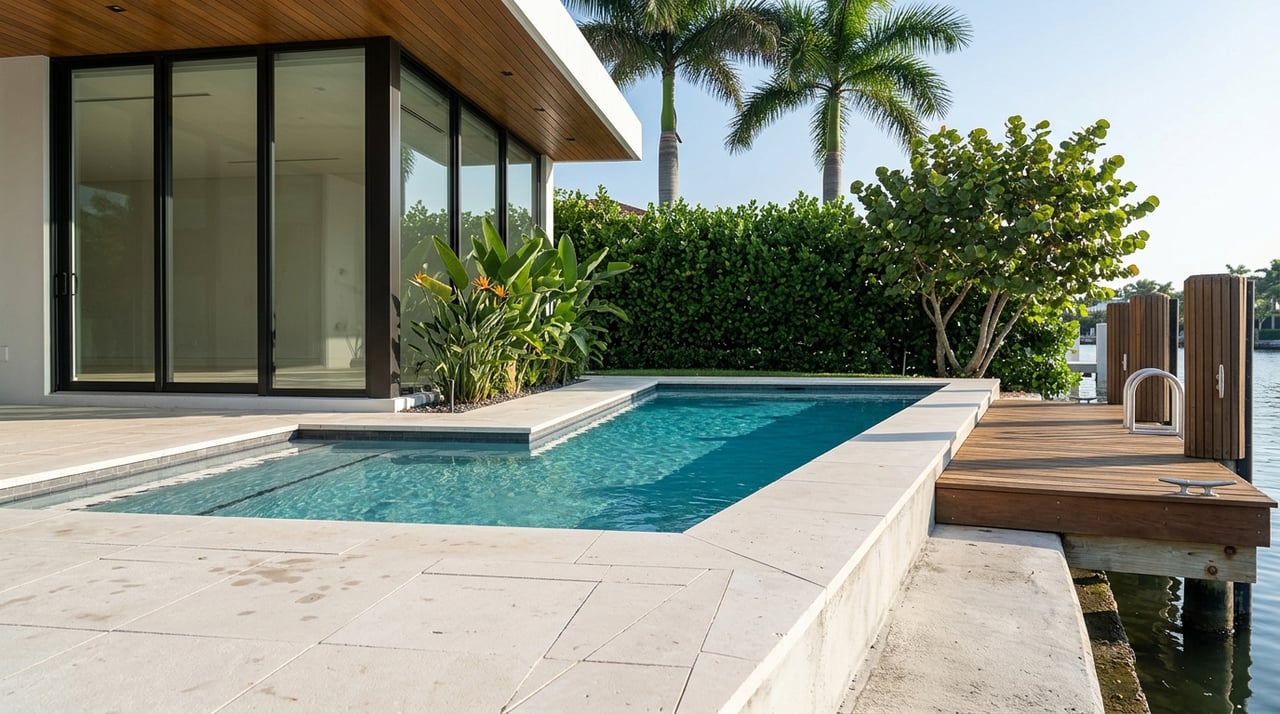
If you are preparing to buy or sell an estate in Coral Gables, one thing matters right away: high-end buyers notice far more than square footage and a pretty pool. In this market, they compare architecture, flow, landscaping, and waterfront details with a very trained eye. Understanding what stands out can help you position a property more effectively or evaluate one more confidently. Let’s dive in.
Why details matter in Coral Gables
Coral Gables sits firmly in Miami-Dade’s luxury conversation. MIAMI Realtors reported 22 closed sales at $10 million or more in 2025, and Coral Gables ranked behind only Miami Beach and Miami on that measure. In the same report, Miami-Dade’s luxury single-family threshold rose to $3.4 million, while uber-luxury reached $10.4 million.
That kind of pricing environment usually creates a selective buyer pool. Douglas Elliman and Miller Samuel’s Q3 2025 Coral Gables report showed a luxury single-family median of $9.8 million and 89 days on market. It also noted a 52.9% cash share in the broader single-family market, which suggests many buyers can move quickly, but still expect a home to feel complete, intentional, and well presented.
Architecture sets the first impression
In Coral Gables, architecture is not just a style choice. It is part of the city’s identity. The Coral Gables Board of Architects reviews design elements including color, materials, fenestration, proportion, roofs, pools, pavement, signs, and building expansions in order to preserve the city’s traditional aesthetic character.
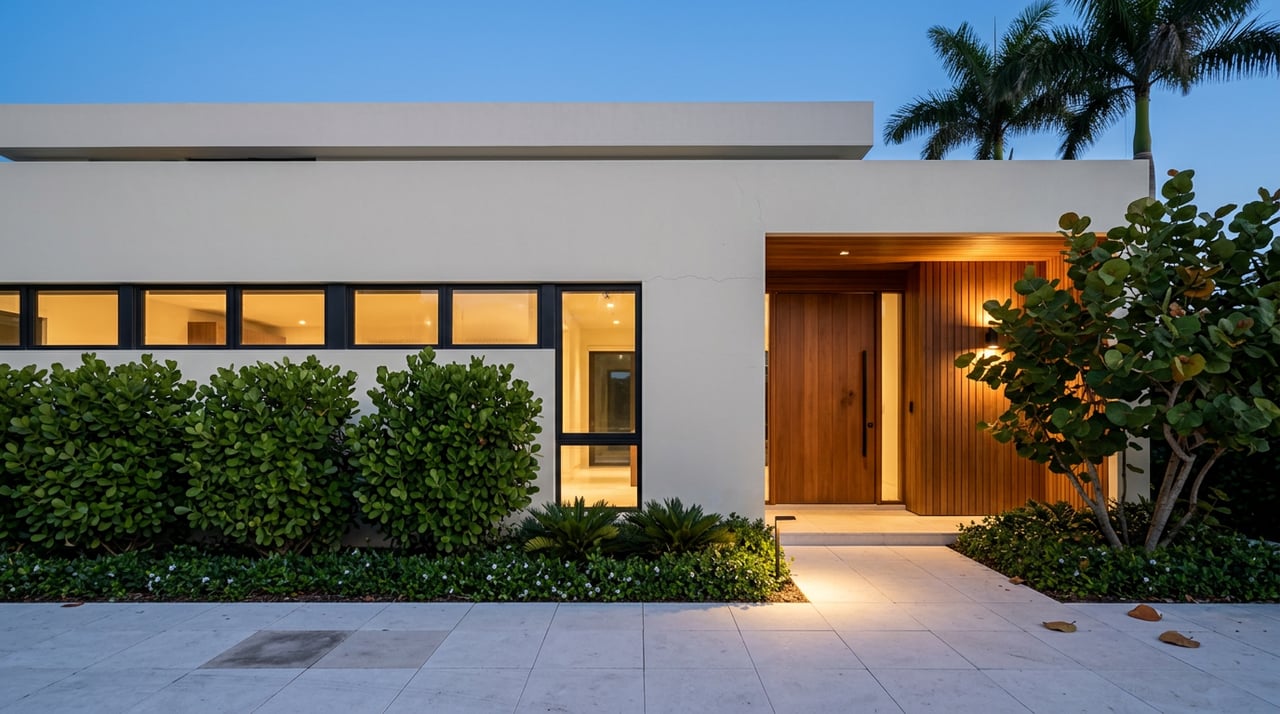
That means buyers often arrive with a built-in sense of what belongs. They notice whether a home feels grounded in Coral Gables or whether it feels out of sync with its setting. Even before they step inside, they are reading the exterior for quality, restraint, and coherence.
Historic homes are judged on authenticity
For historic properties, buyers often focus on whether the original character still reads clearly. Coral Gables’ historic landmarks highlight details that remain strongly associated with the area, including Mediterranean Revival styling, native oolitic limestone, coral rock, barrel tile roofs, courtyards, arcaded loggias, and exposed rafter tails.
When buyers tour an older estate, they tend to notice whether renovations respect those original proportions and materials. If changes feel overly trendy or disconnected from the home’s bones, the result can feel less compelling. In this segment, authenticity often reads as value.
Newer homes are judged on discipline
Newer estate homes are usually evaluated a little differently. Buyers may care less about ornament and more about whether the design feels calm, resolved, and material-driven. In a luxury setting, that often means clean lines, thoughtful scale, and finishes that feel consistent rather than flashy.
This matters in Coral Gables because the city supports Mediterranean design resources and even pre-approved paint colors tied to its architectural heritage. A newer home does not need to imitate the past, but buyers often respond best when the design feels respectful, intentional, and connected to place.
Indoor-outdoor flow carries real weight
Luxury buyers today are highly focused on how a home lives, not just how it photographs. Coldwell Banker’s 2025 global luxury report found that more than 60% of luxury specialists ranked indoor-outdoor merging among their top three luxury design features. The same report identified warm modernism as the most popular style at 53.9%.
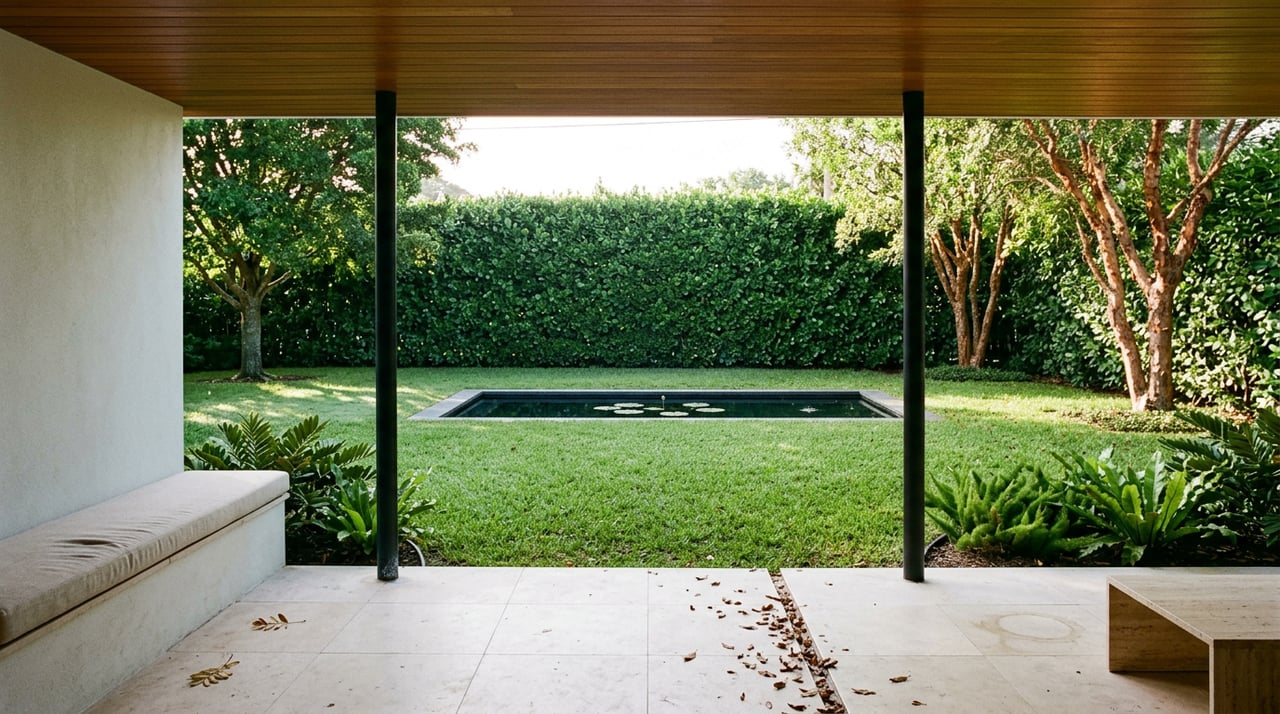
In Coral Gables estates, that trend shows up in practical ways. Buyers notice how the great room opens to the terrace, whether the kitchen supports outdoor dining, and whether the pool area feels connected to daily living. A beautiful backyard can fall flat if it feels separate from the rest of the home.
Entertaining spaces should feel usable
Luxury outdoor space is no longer just about visual impact. Buyers increasingly value functional zones for grilling, cocktailing, lounging, and dining. Terraces for private use and entertaining continue to stand out, especially when they feel natural and easy to use.
If a layout requires awkward circulation or leaves outdoor areas feeling decorative instead of livable, buyers notice. The strongest estates tend to make entertaining look effortless. That sense of ease can influence how memorable a property feels.
Wellness features add depth
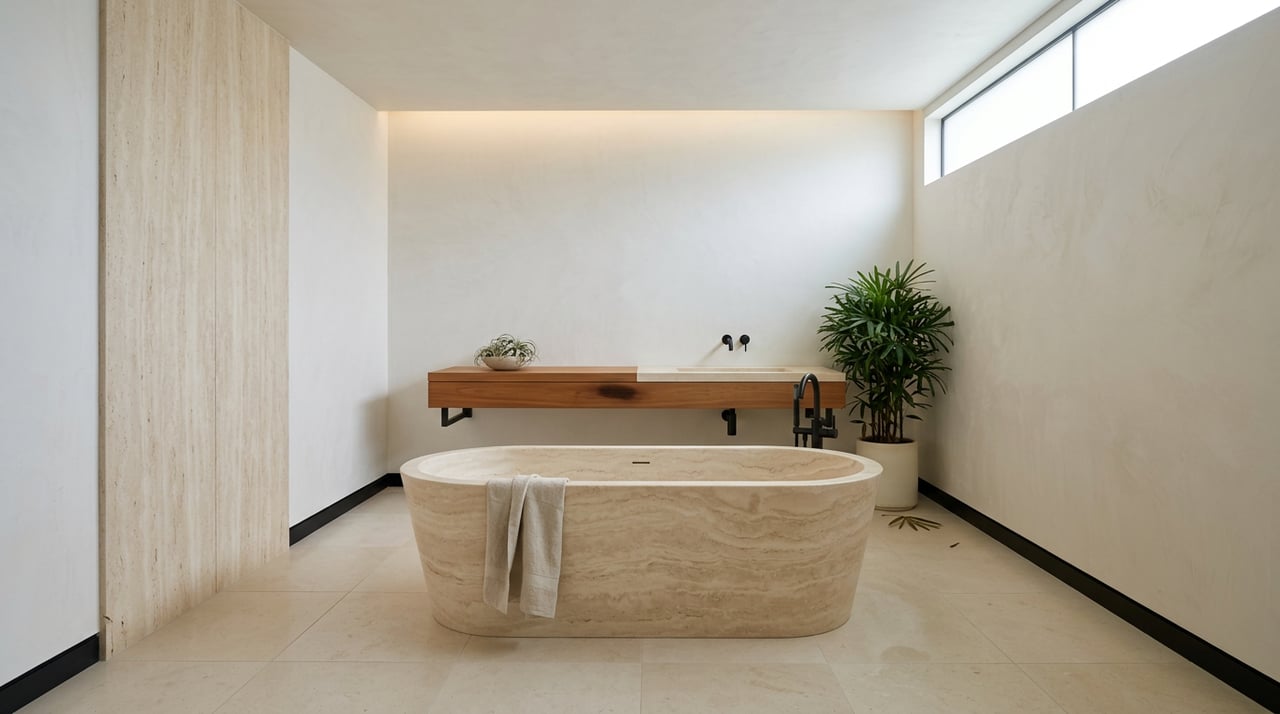
The same luxury trend report also highlights outdoor gyms, saunas, cold plunge pools, spa-like primary baths, fitness studios, flexible layouts, and lush landscaping. Not every estate needs all of these features, but buyers often respond to homes that support relaxation, movement, and privacy.
In other words, they are not only buying rooms. They are buying a lifestyle rhythm. A well-planned Coral Gables estate often feels restorative the moment you move through it.
Waterfront buyers look past the view
Waterfront appeal is powerful in Coral Gables, but sophisticated buyers usually look beyond the headline feature. The city notes that Coral Gables has more than 42 miles of coastline and waterways and is developing strategies around sea-level vulnerability. It also encourages waterfront buffer zones because they support water quality, erosion control, flood mitigation, stormwater management, temperature regulation, and scenic appeal.
That local context shapes buyer expectations. Waterfront living is not just about access. Buyers also pay attention to how the property engages the shoreline and whether the setting feels both beautiful and well considered.
Dock access and layout matter
Coral Gables’ permit guide classifies docks, moorings, and wharves separately and requires detailed documentation including site plans, sections, waterway dimensions, existing mangroves, and preliminary approval from Miami-Dade County DERM. While many buyers will not know every permitting detail, they still notice whether dock access feels integrated and visually clean.
In waterfront enclaves such as Gables Estates Club, described as a 192-lot waterfront community with wide, deep-water, sea-walled canals, buyers often pay close attention to the water-facing arrival sequence, privacy, and sightlines. The dock is not just a utility feature. It is part of the property’s overall composition.
Privacy is part of the waterfront experience
On estate parcels, buyers often notice what they can see and what others can see in return. The strongest waterfront homes tend to balance open views with a feeling of retreat. That can come from lot orientation, landscaping, setbacks, and the way outdoor spaces are arranged.
When privacy feels thoughtful, the property usually feels more valuable. When exposure feels obvious, even a premium water location can lose some of its impact.
Landscaping signals quality and care
In Coral Gables, landscaping carries unusual importance because the city’s visual identity is so tied to canopy and greenspace. The city’s Greenspace Management division says it manages over 40,000 trees and 380 green spaces. Coral Gables also notes it has been a Tree City USA community for 32 years and has expanded its residential canopy through a Tree Succession Plan.
That civic emphasis influences buyer perception. Mature trees, layered planting, and a composed front yard often make an estate feel established and complete. In contrast, landscaping that feels thin or recently dressed for photos may not create the same sense of permanence.
Curb appeal is more than decoration
Tree surveys and tree-protection plans are required for Board of Architects submissions and demolition permits. That reinforces how central the tree canopy is to the city’s character. Buyers often pick up on that immediately, even if they do not know the formal rules behind it.
They notice shade, privacy, and the relationship between the home and the lot. They also notice whether the grounds feel thoughtfully maintained over time. For sellers, this is one of the clearest reminders that true curb appeal is about stewardship, not staging alone.
Waterfront landscaping should feel natural
On waterfront properties, the city encourages native plant buffer zones that support shoreline health while enhancing scenic appeal. Buyers often respond well when a landscape plan feels both polished and appropriate to the setting.
That usually means the planting design works with the site instead of competing with it. A lush but restrained approach can make the architecture, water, and outdoor living areas feel more unified.
The best estates feel intentional
At the high end of the Coral Gables market, buyers are rarely reacting to one feature alone. They are evaluating whether the entire property feels finished, coherent, and true to its setting. Authentic architecture, calm indoor-outdoor flow, credible waterfront functionality, mature landscaping, and a consistent design language all tend to reinforce one another.
That is why two homes with similar size or location can land very differently in the market. One may feel exceptional because every element supports the next. The other may feel less convincing because the details do not quite connect.
If you are selling, this is where presentation strategy matters. If you are buying, this is where experience and local pattern recognition matter just as much. For tailored guidance on positioning or evaluating a Coral Gables estate, connect with Jelena Khurana.
FAQs
What do luxury buyers notice first in Coral Gables estates?
- Luxury buyers often notice the overall composition first, especially architecture, exterior character, landscaping, and how well the home fits Coral Gables’ visual identity.
Why is architecture so important in Coral Gables luxury homes?
- Architecture matters because Coral Gables has a strong design tradition, and the city’s Board of Architects reviews elements like materials, proportion, color, and exterior features to preserve that character.
What indoor-outdoor features matter most to high-end Coral Gables buyers?
- Buyers often focus on seamless terrace access, usable entertaining areas, strong kitchen-to-pool connections, and wellness-oriented spaces such as spa-like baths, fitness areas, or private outdoor retreats.
What do waterfront buyers look for in Coral Gables estates?
- Waterfront buyers usually look for clean dock integration, strong privacy, appealing sightlines, and outdoor spaces that make the water feel like part of the home rather than a separate feature.
How important is landscaping in Coral Gables estate homes?
- Landscaping is very important because mature canopy, privacy, and long-term maintenance strongly shape curb appeal and support the polished, established feel many buyers expect in Coral Gables.
How can sellers better prepare a Coral Gables estate for luxury buyers?
- Sellers can benefit from focusing on architectural coherence, functional outdoor living, waterfront presentation where applicable, and landscaping that feels mature, intentional, and well maintained.