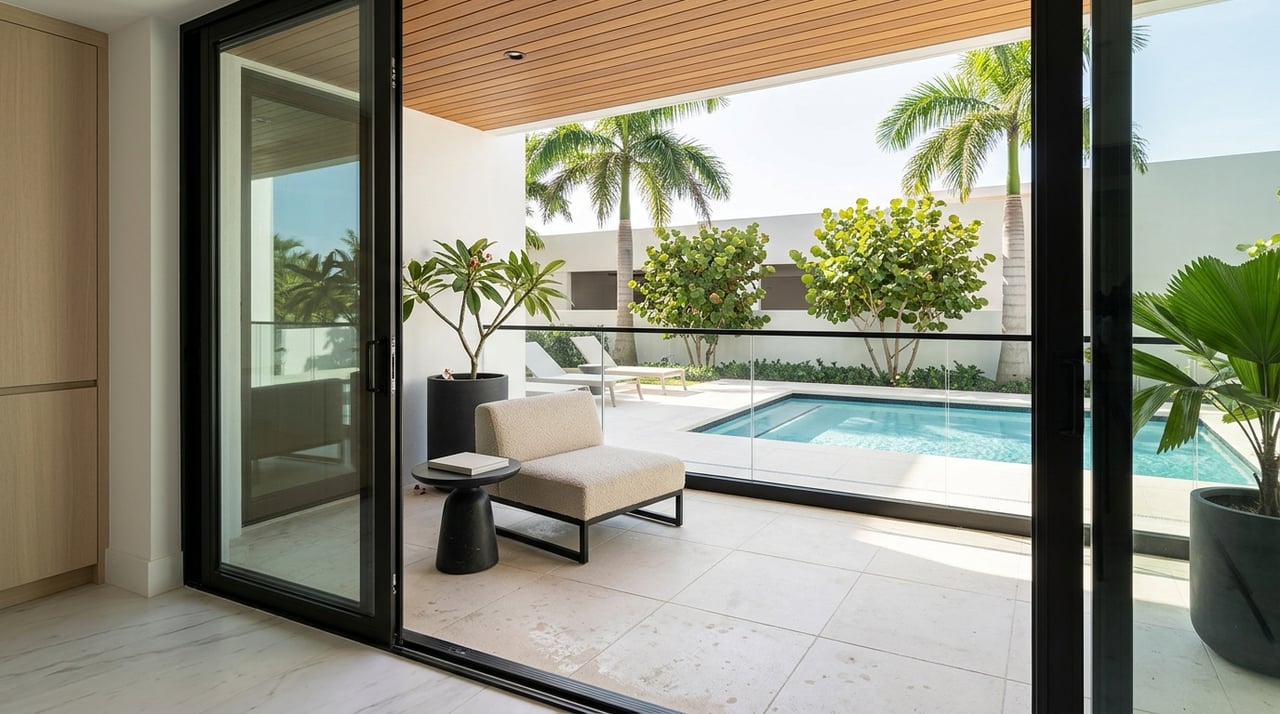
If you could step outside your door and choose between a beachfront walk, lunch at a polished café, or an afternoon browsing luxury boutiques, Bal Harbour makes that kind of routine feel normal. For many buyers, that is the real appeal of living near Bal Harbour Shops. It is not just about prestige. It is about how compact, curated, and convenient daily life can feel in one of Miami-Dade’s most refined coastal enclaves. Let’s dive in.
Why Bal Harbour Feels Different
Bal Harbour Village is small by design and scale. The Village covers about 0.6 square miles and had a population of 3,035 in its FY2024 financial report, which helps explain why the area feels intimate rather than sprawling.
That compact footprint shapes everyday life. The Village has one business district centered on Bal Harbour Shops, while much of the rest of the community is made up of high-end single-family homes, condominiums, and hotel uses. In practical terms, you are living in a place where luxury retail, resort amenities, and residential streets exist within a very concentrated setting.
The Village also places a clear focus on public presentation and quality of life. Its official vision emphasizes safety, destination amenities, and a polished environment, and its FY2024 report notes that hotel and food-and-beverage purchases help fund aesthetics and destination promotion. That helps explain why the public realm often feels especially maintained and visually cohesive.
Bal Harbour Shops as a Daily Anchor
Bal Harbour Shops is not simply a mall nearby. It is one of the defining features of the Village and part of its civic identity. Opened in 1965, it was Florida’s first exclusive high-fashion shopping center and the first all-luxury fashion center in America.
Today, the Shops include more than 100 luxury brands and boutiques. That scale matters because it turns retail into part of your weekly rhythm. You are not planning a special outing every time you want to browse, meet someone for coffee, or pick up something thoughtful before dinner.
The setting also supports that routine. The Shops describe themselves as pedestrian-friendly and open-air, with lush landscaping and a visual relationship to the Atlantic Ocean. In a place like Bal Harbour, that design matters because it makes everyday errands feel more like part of a resort-style lifestyle.
The dining lineup adds another layer of convenience. Current options include Avenue 31 Café, Café en 3, Carpaccio, Carrie’s at Neiman’s, China Grill, Hillstone, Makoto, and Slim’s, and the Shops are open daily from 11 AM to 9 PM. For residents, that means lunch meetings, casual dinners, and last-minute plans can all stay close to home.
What “Everyday Luxury” Really Means
In Bal Harbour, everyday luxury is often less about spectacle and more about ease. It is the ability to move through your day without giving up quality, whether that means walking to dinner, enjoying a beautifully maintained public space, or reaching the beach without much effort.
The Village supports that lifestyle with infrastructure designed for pedestrians. It maintains sidewalks, walkways, decorative pavers, decorative crosswalks, and pedestrian lighting within the gated residential community. These details may sound small on paper, but they shape how comfortable and natural it feels to get around on foot.
Beach access is another major part of the experience. The Village maintains the 102nd Street Beach Access Path, described as a beautifully maintained shoreline entry with secured gates and All Access card control. For buyers who want a true coastal routine, that kind of built-in access can be a meaningful part of the lifestyle.
The Housing Mix Near the Shops
If you want to live steps from Bal Harbour Shops, the housing options are generally concentrated in condominiums and hotel-residence style properties, with a more limited number of single-family homes in designated pockets. Village planning materials describe a mix of oceanfront high-rise residential and hotel or resort uses, low-rise multifamily along Collins Avenue, and single-family homes within the gated area between Park Drive and the Indian Creek Waterway.
That mix is important if you are narrowing your search. Buyers looking for close-in convenience will usually find that condos and residential towers offer the most direct access to the Shops and surrounding lifestyle amenities. Single-family inventory exists, but it is more limited and tends to follow a distinct pocket pattern rather than a broad neighborhood layout.
For many luxury buyers, this creates clarity. If your priority is a lock-and-leave residence with shopping, dining, and the beach close by, Bal Harbour’s residential pattern is well suited to that goal.
Walkability in Real Life
A common question is whether Bal Harbour is truly walkable or simply appears that way on a map. For daily luxury errands and leisure, the answer is yes. The combination of a pedestrian-oriented shopping district, maintained sidewalks and crosswalks, and integrated beach access supports a lifestyle where walking can become part of your routine.
That does not mean every need in greater Miami is met on foot. It means that within Bal Harbour itself, many of the experiences that define the area are close together. When you live near the Shops, convenience becomes part of the value proposition.
This matters especially for second-home buyers and international buyers who often prioritize ease, security, and a polished day-to-day environment. In Bal Harbour, the setting is structured to deliver exactly that.
Resort Hotels That Shape the Lifestyle
One of the reasons Bal Harbour feels so elevated is that the neighborhood is surrounded by notable luxury hospitality. The four closest properties highlighted by Bal Harbour Shops are The Ritz-Carlton Bal Harbour Miami, St. Regis Bal Harbour Resort, Acqualina Resort & Residences on the Beach, and Four Seasons Hotel at The Surf Club.
Even if you are not staying in these properties, their presence influences the area’s energy and expectations. They help reinforce the service culture, dining scene, and overall tone of the neighborhood. In a small coastal village, nearby hospitality becomes part of the lived environment.
The St. Regis Bal Harbour Resort sits directly across Collins Avenue from Bal Harbour Shops. Marriott describes it as a 27-story oceanfront resort with Forbes Five-Star and AAA Five-Diamond recognition, a 14,000-square-foot spa, Oceanfront Day Villas, and gourmet dining. That level of hospitality just across the street helps define what “living nearby” feels like.
The Ritz-Carlton Bal Harbour Miami adds to that appeal from the northernmost tip of Miami Beach. Bal Harbour Shops describes it as a boutique-style 19-story, 95-room hotel with private terraces, ocean and Intracoastal views, a 10,000-square-foot spa, and direct beach access.
A few minutes away, Four Seasons Hotel at The Surf Club in Surfside positions itself as an oceanfront retreat just blocks from Bal Harbour, with the Shops about five minutes away. Acqualina Resort & Residences in Sunny Isles Beach also places itself within minutes of Bal Harbour Shops on a 4.5-acre beachfront site.
Taken together, these nearby properties do more than serve visitors. They help create a resort-like ecosystem that residents experience every day.
Why the Shops Matter to the Village
Bal Harbour Shops is also important for reasons beyond lifestyle. The Village’s FY2024 financial report says the Shops are the Village’s largest commercial taxpayer and a major contributor to redevelopment value and public amenities.
That is a meaningful point for buyers considering long-term value. In Bal Harbour, the Shops are not an isolated retail project. They are woven into the Village’s identity, economy, and public-facing quality.
This connection helps explain why living near the Shops carries such lasting appeal. You are not just buying near a landmark. You are buying into one of the central anchors of the community itself.
Who This Lifestyle Appeals To
Living steps from Bal Harbour Shops tends to appeal to buyers who value convenience without compromise. That may include someone seeking a polished second home, a buyer who wants easy access to dining and beach time, or an owner who prefers a residence that feels connected to the best parts of the Village.
It can also appeal to those who want a more service-oriented coastal lifestyle. With luxury hotels, high-end retail, maintained public spaces, and a compact footprint, Bal Harbour offers a version of Miami living that feels highly edited and easy to navigate.
For sellers, this lifestyle story matters too. When a home is close to Bal Harbour Shops, the location speaks to more than status. It points to a daily routine defined by walkability, access, and consistency of experience.
If you are considering buying or selling in Bal Harbour, working with an advisor who understands these micro-market nuances can make a meaningful difference. For discreet, high-touch guidance in Bal Harbour and across Miami’s luxury coastal markets, connect with Jelena Khurana.
FAQs
Is Bal Harbour walkable for everyday life?
- Yes. For luxury errands and leisure, Bal Harbour supports walkability through pedestrian-oriented shopping, maintained sidewalks and crosswalks, and built-in beach access.
What kind of homes are closest to Bal Harbour Shops?
- The closest housing is primarily condominiums, hotel-residence style properties, and some low-rise multifamily options, with a limited number of single-family homes in designated pockets.
Why are Bal Harbour Shops important to Bal Harbour Village?
- The Shops are a major part of the Village’s identity and economy, and the Village’s FY2024 financial report identifies them as the largest commercial taxpayer and a key contributor to redevelopment value and public amenities.
Do nearby luxury hotels affect daily life in Bal Harbour?
- Yes. Properties like St. Regis Bal Harbour Resort, The Ritz-Carlton Bal Harbour Miami, Four Seasons Hotel at The Surf Club, and Acqualina help shape the area’s resort-like atmosphere and service culture.
Is Bal Harbour mostly single-family homes?
- No. Village planning materials indicate a housing mix led by oceanfront high-rise residential and hotel or resort uses, with limited single-family pockets rather than a broad single-family pattern.